Looking for a guide to a non-accident tow? See our How to Find a Towed Car in Houston & Harris County post.
You've just been in a car accident in Texas. Police and EMS are on scene, your car can't be driven — and a tow truck shows up. Where does it go? Who decided?
The short answer: you decide, if you speak up. Most people don't, which is why most cars end up at the closest contracted storage lot — the most expensive long-term path. Here's how to take control of where your vehicle goes, what it costs, and how to find it if the tow already happened without you.
Quick answer
- Tell the officer at the scene which tow company and destination you want — Texas law gives you the right
- Pick your destination: your home, a body shop, your dealership, or a storage lot (in roughly that order of cheapest-to-most-expensive)
- Call your insurance from the scene — they often coordinate the tow under your claim
- Get a tow ticket showing destination, operator, and time — your proof for reimbursement
- Confirm the vehicle arrived where you wanted it; take damage photos at drop-off
Quick contacts
- Smith Towing dispatch (24/7): (832) 360-7122 — request us by name at the scene
- Find a vehicle already towed: findmytowedcar.org
- Houston Police non-emergency: (713) 884-3131
- Harris County Sheriff dispatch: (713) 221-6000
Step 1 — At the scene: who decides where your car goes
Three people effectively get a vote:
- You, the driver or owner — Texas law gives you priority say
- The responding officer, who's coordinating scene clearance and traffic safety
- The tow operator who arrives, who has financial incentive to tow to their own contracted lot
Under Texas law, you have the right to request a specific tow operator at an accident scene, and the officer is required to honor a reasonable request. They can't insist on a particular tow operator if you've named one that's available and able to respond.
The catch: if you say nothing, the officer's dispatcher calls the next operator in their rotation, who tows to wherever they're contracted. By the time you think to ask, the truck is loaded and the destination is locked.
The action item: within the first 60 seconds of the officer's arrival, say out loud: "I'd like to request Smith Towing" (or your preferred operator). Get it on the record before any tow truck arrives.
Step 2 — Your right to choose your tow operator
This right is real and routinely under-used. Two things to know:
1. Be specific. "I want Smith Towing" beats "I want my own tow company." Vague requests get ignored or default to the closest contracted operator.
2. Have a backup name. If your first choice can't respond within a reasonable time, the officer will move on. Knowing 2-3 area operators by name — including their phone numbers if possible — keeps you in control.
For Houston-area drivers, (832) 360-7122 is the Smith Towing dispatch — save it in your phone now, before you need it.
If you've already been towed without consent and you believe your stated preference was ignored, document the incident immediately and consult TDLR's complaint process at tdlr.texas.gov/towing/consumerinfo.htm.
Step 3 — Where your car can actually go
Four practical destinations, ordered by typical total cost (cheapest to most expensive):
Direct to your home
Works if the vehicle is roughly drivable or can be safely deposited in a driveway. No storage fees, no transfer fees. The catch: if your insurance adjuster needs to inspect, they'll come to you (which is fine, but adds a day or two to the timeline). If significant repairs are coming, the car will need a follow-up tow to the body shop later.
Direct to a body shop
The single most cost-effective option if you already know where you want repairs done. Saves you the eventual storage-to-shop transfer tow (typically $75-200 depending on distance and vehicle class) AND eliminates daily storage fees. Most body shops accept direct drop-offs after-hours; the tow operator just needs the address and any after-hours drop instructions.
Direct to your dealership
Best when the damage is warranty-related, recall-related, or you want OEM parts and certified technicians. Same cost benefits as direct-to-shop. Some dealerships have preferred tow partners and may even pay the tow under warranty in qualifying cases — call the service department before the tow if possible.
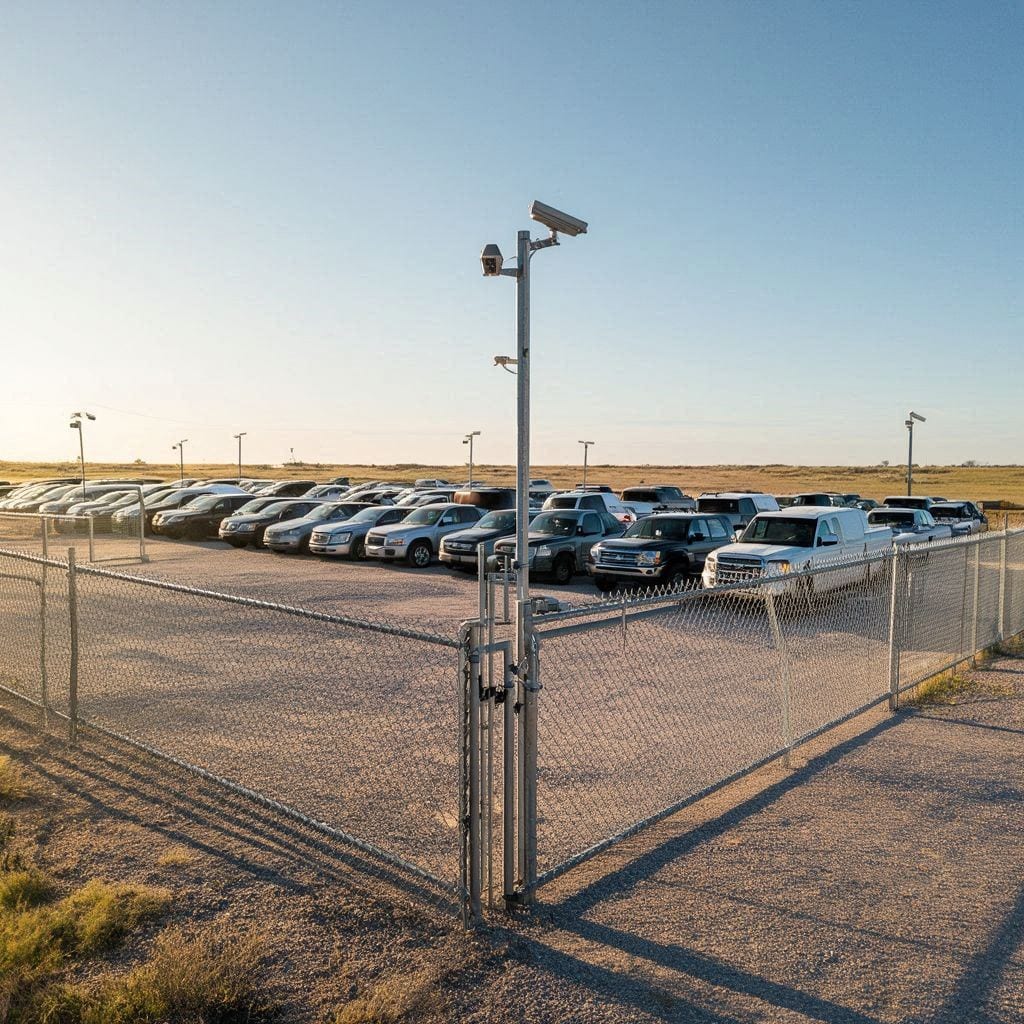
To a storage lot (the default if you don't choose)
What happens automatically if you don't direct otherwise. The vehicle goes to the closest storage facility contracted with the responding agency. From there:
- You'll pay daily storage fees (usually $20-50/day for outdoor light-duty)
- You'll pay a release fee when picking up
- If you want it moved to a body shop or home later, you'll pay a second tow
A 3-day weekend stay at a storage lot before transfer to a body shop can easily add $200-400 to your total cost — money you wouldn't have spent if you'd directed the original tow correctly.
Step 4 — How insurance coverage affects the destination
Your insurance plays a real role in destination decisions, especially for major damage:
| Coverage type | What it covers for the tow |
|---|---|
| Collision | Tow + storage as part of the claim. Often coordinated directly by carrier. |
| Comprehensive | Non-collision (hail, theft, fallen tree). Tow typically covered. |
| Roadside assistance rider | Capped (often $100-150). Rarely covers full accident recovery. |
| No applicable coverage | Pay out-of-pocket; seek reimbursement from at-fault driver's insurance. |
Call your insurance from the scene if you can. Most major carriers will dispatch a tow under your policy without you paying upfront, and many have preferred body shops nearby they'll route the vehicle to.
For a totaled vehicle, the insurance adjuster usually has a preferred storage location and may want the vehicle transported there for inspection. Ask before the tow.
Step 5 — Finding the car after the tow
If the tow has already happened and you don't know where the car went:
- Check findmytowedcar.org — covers most Harris County and City of Houston tows, updated within an hour
- Call the responding agency — Houston Police, Harris County Sheriff, or the local PD whose officer was on scene
- Call your insurance — if they coordinated the tow, they'll have the destination on file
Full guide here: How to Find a Towed Car in Houston & Harris County.
What does it actually cost?
A typical post-accident tow runs $250-450 for a light-duty vehicle, more for heavy commercial. Three line items to expect:
| Line item | Typical Houston-area range |
|---|---|
| Tow fee (light-duty) | $200-280 |
| Recovery / winch-out (if needed) | $150-400 depending on complexity |
| Initial storage day | $20-50 |
Recovery vs. simple tow: if the vehicle is on its side, in a ditch, against a barrier, or otherwise needs winching or righting before it can be loaded, that's a recovery — separate billing on top of the standard tow fee. Major rollovers requiring rotator equipment can run $1,000+ for the recovery alone, all of which is typically covered by collision insurance.
For a deeper breakdown of fees, storage day accrual, and insurance reimbursement specifics, see the pricing section of our impound guide.
What if you weren't at the scene?
The driver was hospitalized. The accident happened to your spouse. You weren't with the car when it was towed. The vehicle still went somewhere — here's how to find it:
- Call the local police non-emergency line for the city where the accident occurred. They can tell you which tow operator was dispatched.
- Check findmytowedcar.org — vehicle should appear within an hour of the tow if it was an HCSO-permitted operator (which most are in the Houston metro).
- Call your insurance company — if collision coverage applies, the adjuster may have already been notified by the police report and arranged a destination.
Once you know where the vehicle is, the standard impound retrieval process applies — paperwork, payment, and either a self-drive home or a follow-up tow.
Common scenarios
My car is at the storage lot but I want it at a body shop
Easy fix — you can arrange a transfer tow yourself. Pay the storage release fees, then have a tow operator pick up the vehicle and deliver it to your shop. Smith Towing handles these transfer tows constantly across the Houston area; call (832) 360-7122 to arrange.
The other driver was at fault — do I still have to pay for the tow?
In Texas, you typically pay upfront and seek reimbursement from the at-fault driver's insurance. The storage lot will not release your vehicle until it's paid. Don't wait for the at-fault insurance to authorize payment — storage fees keep accruing daily, and you're the one losing money. Pay, get itemized receipts, then file for reimbursement.
My car was towed from a private parking lot after the accident
Texas private property tows have their own rules under Chapter 2308 of the Texas Occupations Code. The 14-day Justice of the Peace hearing window applies if you believe the tow was improper. Full breakdown in the private property section of our impound guide.
What if it was a stolen vehicle recovered after a chase or accident?
Stolen vehicle recoveries follow a slightly different process — the responding agency will hold the vehicle as evidence while the report is documented, then release it through the normal storage lot once cleared. Insurance typically covers the tow under comprehensive coverage. Call the agency that recovered the vehicle (usually the police department where it was found) for the release process timeline.
Need help getting your vehicle home?
Whether you're at the scene of an accident, at a hospital after the fact, or arranging a transfer from a storage lot to a body shop — Smith Towing operates 24/7 across the greater Houston area for exactly this kind of work.
- Accident-scene tows — request us by name to the responding officer
- Transfer tows — from any storage lot or impound facility to your home, body shop, or mechanic
- Post-tow inspection support — itemized receipts that work with every major insurance carrier
Call (832) 360-7122 — our dispatcher answers personally 24/7.
See our vehicle recovery and winch-out or flatbed towing pages for more on what we handle at accident scenes.
FREQUENTLY ASKED QUESTIONS
LATEST BLOGS
Tow Cost in Houston 2026 — Honest Pricing Guide
What does a tow actually cost in Houston in 2026? Real ranges by tow type, what bumps the price, and how insurance reimbursement works.
Cómo encontrar mi carro remolcado en Houston
¿Le remolcaron su carro en Houston? Aquí están los 5 pasos rápidos — findmytowedcar.org, la línea de HPD, qué llevar y los cambios del HCSO en 2026.
Car Repossessed in Texas? Your Rights and How to Get It Back
Behind on payments and your car disappeared without a tow ticket? Here's what Texas law says about repossession, your redemption rights, recovering personal property, and how to get the vehicle back.
NEED HELP RIGHT NOW?
Our dispatcher picks up personally — no voicemail, no queue.