Guides ·
DWI/DUI Impound Harris County — Get Your Car Back
You got arrested for DWI, you're finally out, and your car is gone. On top of everything else, now you have to figure out where it went and how much it's going to cost to get it back.
Here's exactly how to do that, in order, no filler. One note up front: this guide is about getting your vehicle back. The criminal case and your driver's license are separate matters for a qualified Texas DWI attorney. We'll flag where those overlap, but we tow cars; we don't give legal advice.
On This Page
Quick answer
- Find the car — City of Houston (HPD) tows at findmytowedcar.com, Harris County tows (outside city limits) at findmytowedcar.org (plate or VIN) — or ask the arresting agency where it was sent.
- Call that storage lot and ask one question first: is there a hold on it?
- Gather your photo ID, proof of insurance, proof of ownership, and payment.
- Pay the tow and daily storage fees, and get an itemized receipt.
- Bring a licensed driver — because your own license may be on the clock (more on that below).
That's the whole process. The rest of this page is the detail that saves you money and a second trip.
One clock that isn't about the car: if you failed or refused the breath or blood test, you have 15 days from being served notice to request an ALR hearing — or your license suspends automatically on day 40. It's separate from getting the car back and easy to miss. See Step 5.
Quick clarification: "DUI" vs "DWI" in Texas
Most people search for "DUI," but in Texas the adult charge is DWI — Driving While Intoxicated (Penal Code §49.04). "DUI" in Texas is a separate, lesser charge that applies to drivers under 21 with any detectable alcohol. The vehicle-impound process is the same either way, so don't get hung up on the term. If you're an adult, your paperwork will say DWI.
Step 1 — Find where your car was towed
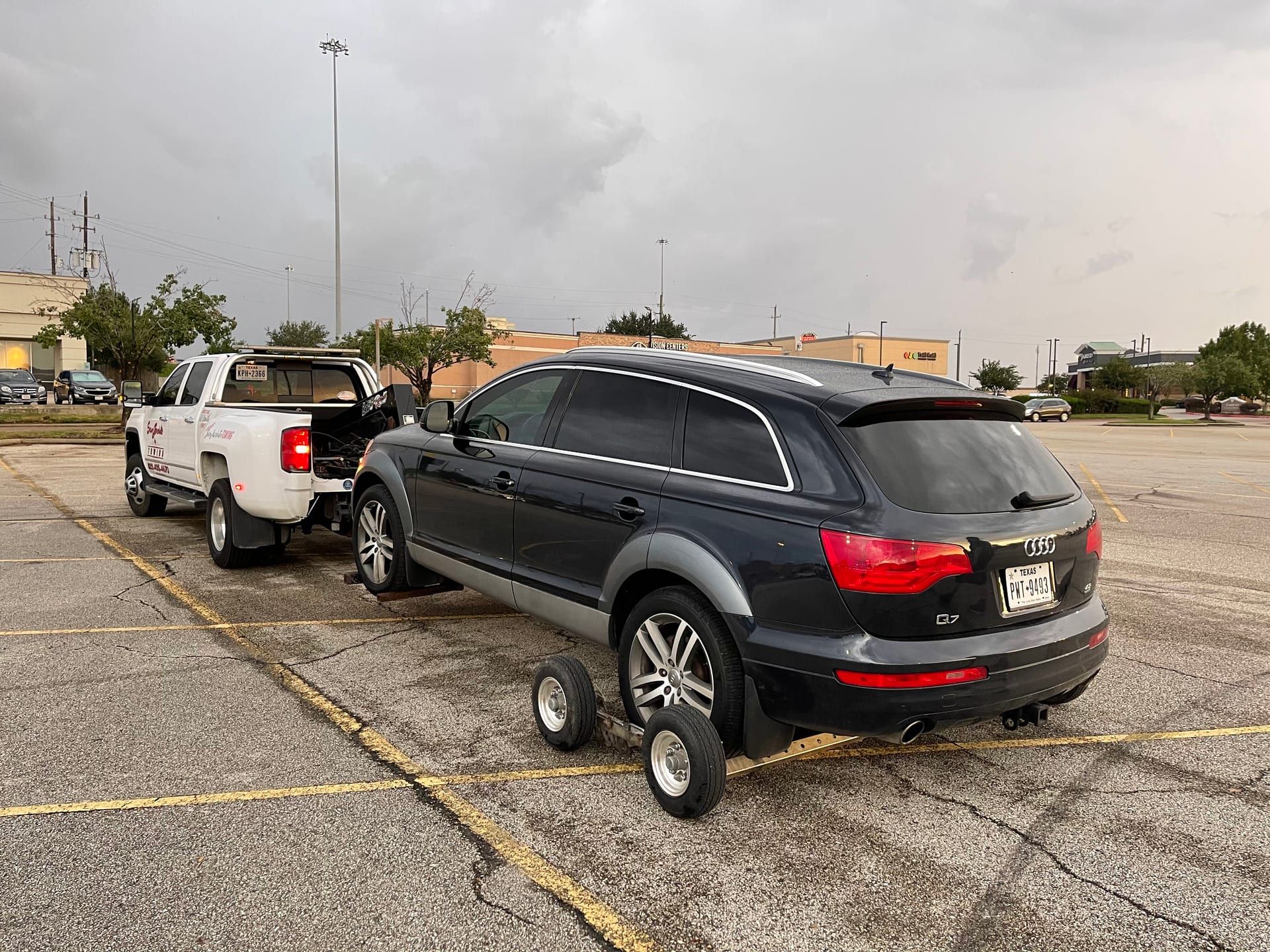
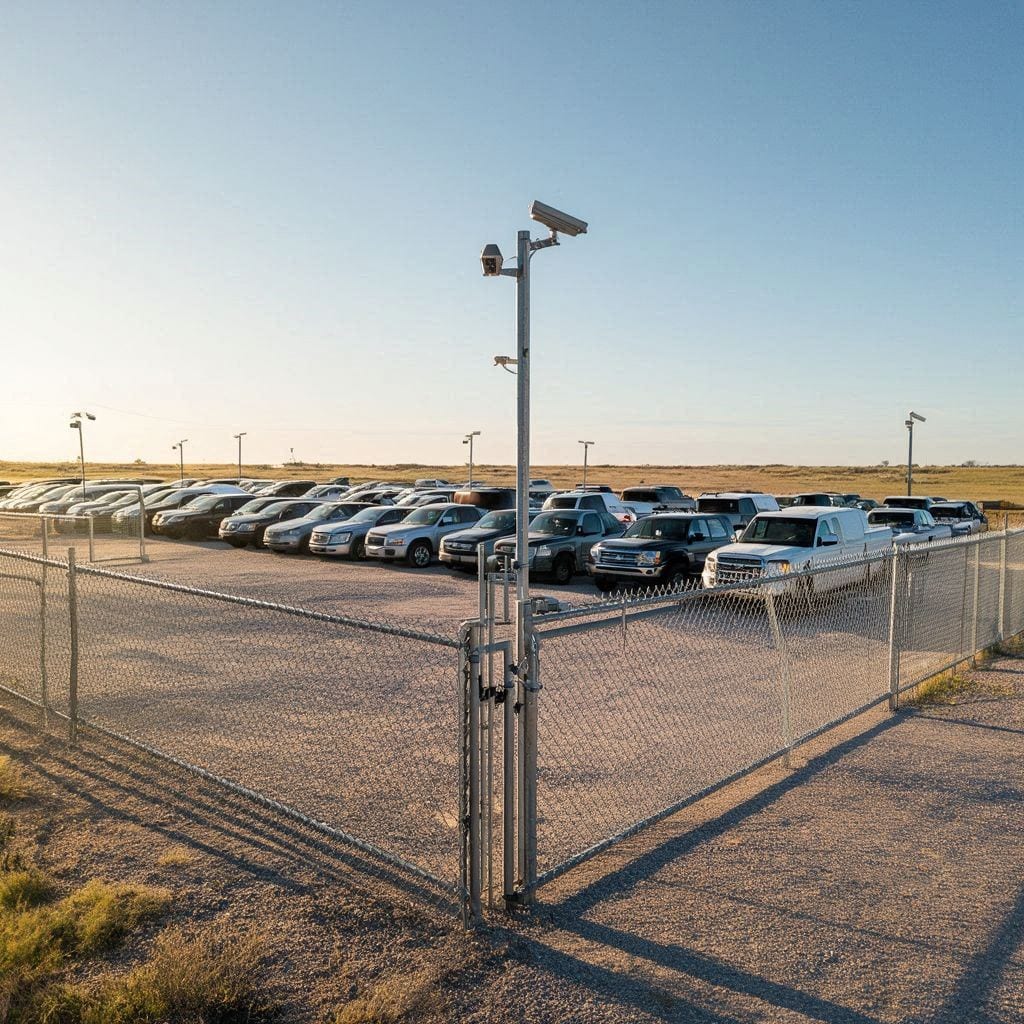
After a DWI arrest, if there's no sober, licensed passenger to take the vehicle, the officer has it towed as a non-consent tow to a licensed storage facility (a "VSF"). In Harris County these are TDLR-licensed lots, and HCSO uses county-permitted tow operators.
Your fastest path to locating it:
- Search both public lookups by license plate or VIN — City of Houston (HPD) tows at findmytowedcar.com, Harris County tows (outside city limits) at findmytowedcar.org. Check both if one comes up empty.
- If it's not listed, ask the arresting agency (HCSO or the local police department) which lot it went to. When findmytowedcar.org can't find a Harris County tow outside city limits, it directs you to call the Harris County Sheriff's Office at (346) 286-2151.
We wrote a full walkthrough of the lookup process here: How to Find a Towed Car in Houston & Harris County. Start there if the car isn't showing up.
Step 2 — Ask if there is a hold before you drive out
This is the step unique to DWI cases, and it's the one that sends people home empty-handed.
A storage lot cannot release your vehicle if the police placed an evidence hold on it. The lot has to wait until the agency that requested the impound authorizes the release.
When does a hold happen? Almost always only in serious cases — a DWI involving an accident with injury, a death, or felony charges. For a routine first-offense DWI with no crash, your car is usually not evidence, and you can reclaim it as soon as you're out and the fees are paid.
So before you drive across the county: call the storage lot and ask if there's a hold. If there is, they'll tell you which agency has to clear it. One phone call saves you a wasted trip.
Step 3 — Bring the right paperwork
Storage lots will not hand over a vehicle to someone who can't prove they belong with it. Bring:
- Photo ID (driver's license or state ID)
- Proof of insurance
- Proof of ownership — registration, title, or a bill of sale
- Payment — many lots take cards, but some are cash-only, so confirm by phone first
If the car is not in your name (a spouse's, a parent's, a company vehicle), the registered owner either has to come in person or send you with a notarized letter of authorization and a copy of their ID. Sort that out before you make the drive.
Step 4 — Know what it costs, and why every day matters
Two charges stack up: a one-time tow/hookup fee and a daily storage fee.
- The tow charge commonly runs a few hundred dollars.
- Storage runs up to $22.85 a day for a standard vehicle — the TDLR-regulated maximum — charged every day the car sits.
- Texas (through TDLR) caps the maximum non-consent tow and storage rates, so a lot can't legally charge whatever it wants — but the daily clock is real.
Because storage accrues daily, the single biggest way to save money is to move fast. A car that sits for three weeks can rack up a bill that rivals its value. Always get an itemized receipt — you'll likely need it for insurance, and it's your proof of what you paid.
For a fuller breakdown of towing and storage pricing in this area, see our honest tow cost guide for Houston.
Step 5 — The 15-day license clock (and who drives the car home)
Watch out for this one: you bail your car out, then realize you may not be able to legally drive it.
After a DWI arrest involving a failed or refused breath/blood test, Texas starts an Administrative License Revocation (ALR) process — completely separate from the criminal case. The timeline is tight:
- You have 15 days from being served notice to request an ALR hearing.
- If you do not request it, your license suspends automatically on the 40th day.
- If you do request it in time, your temporary permit stays valid until the hearing is decided — so you keep driving in the meantime.
You can read the official rules on the Texas DPS Administrative License Revocation page, and this is exactly the kind of deadline a DWI attorney handles for you. The point for today: if your license is suspended or about to be, bring a licensed driver to pick up the car, or you'll be standing in the lot with keys you can't legally use.
Don't let the car just sit there
Two reasons not to leave it:
- The meter never stops. Daily storage keeps adding up whether you visit or not.
- You can lose the car entirely. Under Texas law, the lot sends required notices and can move toward a public sale once they're exhausted — roughly 50+ days from the tow (your rights end on the 30th day after a required second notice). Wait too long and you lose the vehicle and any equity in it. We cover that timeline in our guide on abandoned vehicle removal in Texas.
If money is the holdup, it's still almost always cheaper to get it out now than to let weeks of storage pile on.
The car and the case are two different problems
Worth repeating, because stress makes people tangle the two: getting your vehicle back has nothing to do with how your DWI case turns out. Paying the impound bill is not an admission of guilt, and reclaiming the car does not waive any rights.
- The car — logistics. Find it, clear any hold, pay the lot, drive it home. This guide.
- The case and your license — that's for a licensed Texas DWI attorney, and the ALR clock above means you shouldn't sit on it.
Handle the first so the fees stop bleeding; get a professional on the second.
How Smith Towing fits in
To be clear about our role: we're not the impound lot, and we don't decide whether your car gets released. That's between you, the storage facility, and the arresting agency.
What we do: once you've located the vehicle, cleared any hold, and paid the lot's fees, we can tow it from any Houston-area storage facility to wherever you need it — your home, your mechanic, or a body shop if it needs work. Family-owned, based in Crosby, and a real dispatcher answers the phone 24/7.
If you're at that stage, request service online or call (832) 360-7122 and we'll get your car home.
FREQUENTLY ASKED QUESTIONS
RELATED GUIDES
ALREADY PAID THE LOT? WE'LL TOW IT HOME
Once you've located your vehicle, cleared any hold, and paid the lot, Smith can tow it from any Houston-area storage facility — we just can't look it up or release it.