Insurance ·
Houston Tow Insurance Claims — Reimbursement Guide
Paid for a tow out of pocket? Good news: most major insurance carriers in Texas reimburse towing costs — if you have the right policy rider, and if your tow operator gives you the right paperwork.
This guide walks through what coverage actually covers a tow, the exact paperwork that triggers reimbursement, where the filing deadline actually lives in your policy, and the common rejection reasons that send claims back unpaid.
On This Page
Quick answer
- Confirm your coverage. Roadside Assistance rider, comprehensive (for fire/flood/vandalism tows), or AAA-style club coverage.
- Get the itemized receipt from the tow operator with all six required fields (see below).
- File promptly — your policy's roadside endorsement sets the window; don't give the carrier a lateness excuse.
- Submit the receipt by carrier's preferred channel (app, email, web portal, fax in some cases).
- Wait 3–10 business days for reimbursement.
The rest unpacks each step and the things that go wrong.
What makes a tow reimbursable
Your insurance typically covers tow costs if you have one of these:
Roadside Assistance rider (a.k.a. Towing & Labor coverage). Add-on to your auto policy that covers any tow regardless of cause — breakdown, flat, dead battery, lockout, out of fuel. Usually capped at a per-event dollar amount ($75–$250 typical) or a mileage limit (50–200 miles). Costs $5–$15/month to add to most policies.
Comprehensive coverage. Pays for tows after a covered loss — flood, fire, theft recovery, vandalism, falling-object damage. Houston flooding makes this especially relevant during hurricane season. The tow has to be related to the covered event; comprehensive does NOT cover routine breakdown tows.
Collision coverage. Pays for tows after an at-fault accident — from the crash scene to a body shop or storage facility. Subject to your deductible, which can erase a small tow's reimbursement.
Other-driver's liability (if they're at fault). Their bodily injury and property damage liability covers your tow. You file with their carrier, or with yours and let your carrier subrogate.
AAA, Allstate Motor Club, Better World Club, Good Sam, or similar club membership. Reimburses independently of your auto insurance — file directly with the club. AAA Premier covers up to 200 miles (one call per year), AAA Plus up to 100 miles, AAA Basic up to 5–7 miles.
Manufacturer roadside assistance (Toyota, Ford, GM, Tesla, etc.). New-vehicle warranty programs typically include 2–5 years of free roadside (Toyota about 2 years; Ford and GM about 5) that covers light tows. Check your owner's manual or the manufacturer's app — easy to forget.
Check your declarations page or the carrier's app to confirm which applies before you call. If you're not sure which coverage will trigger, dispatchers at Smith Towing can help identify the right path based on the situation.
What to get from the tow operator
Every tow should come with an itemized receipt that shows all six of these:
- Tow company name, address, and TDLR license number (Texas Department of Licensing and Regulation).
- Date and time of service.
- Pickup location and drop-off location (precise — "I-10 west, mile marker 765" or "4338 Harvey Rd, Crosby TX").
- Vehicle year/make/model/VIN (license plate alone isn't always enough).
- Itemized charges — tow fee, hookup fee, mileage charge, storage if any. Carriers reject lump-sum charges that don't break down.
- Total paid and payment method.
Without these six items, most insurance carriers will return the receipt as incomplete.
At Smith Towing, we provide all six automatically on every tow. No request needed. If you've lost a receipt or need a re-issue, call (832) 360-7122 with the date and your vehicle info — we keep records for years.
Filing deadlines — what your policy actually says
The biggest cause of rejected claims is waiting too long. Here's the honest version: auto policies rarely publish a hard filing deadline for roadside reimbursement. Most Roadside Assistance endorsements require "prompt" notice and submission of the receipt as soon as reasonably possible — language that gives the carrier room to deny a stale claim. Your exact window is in your policy's Roadside Assistance (Towing & Labor) endorsement, and it varies carrier to carrier.
Texas Insurance Code §542.055 runs the other direction: once you file, the carrier must acknowledge your claim within 15 days. That's the carrier's clock, not yours.
Rule of thumb: notify your carrier within a few days, and file within 7 days of paying for a tow. Don't let the receipt sit on your kitchen counter.
How to file the claim
- Call your carrier or open the app within 24 hours if possible. Most carriers have a "roadside reimbursement" or "towing claim" path that's separate from accident claims.
- Provide claim details: date, location, reason for tow, total cost, tow company name.
- Submit the receipt — phone photo is usually fine; some carriers want PDF or scan. Make sure all six required items are legible.
- Provide payment method confirmation if asked — credit card statement showing the charge, or screenshot of the digital receipt.
- Wait 3–10 business days for reimbursement to your account or check.
If the tow was part of a larger claim (an accident with damage), the reimbursement usually rolls into that claim's settlement and arrives with the body shop payout.
When the tow company bills your insurance directly
Some scenarios skip the out-of-pocket step:
Accident tows where another driver is at fault. Their liability carrier covers the tow once fault is confirmed. We coordinate with their adjuster.
Fleet accounts. Pre-arranged agreements with corporate fleets, ride-share companies, and rental car operators bill the company directly.
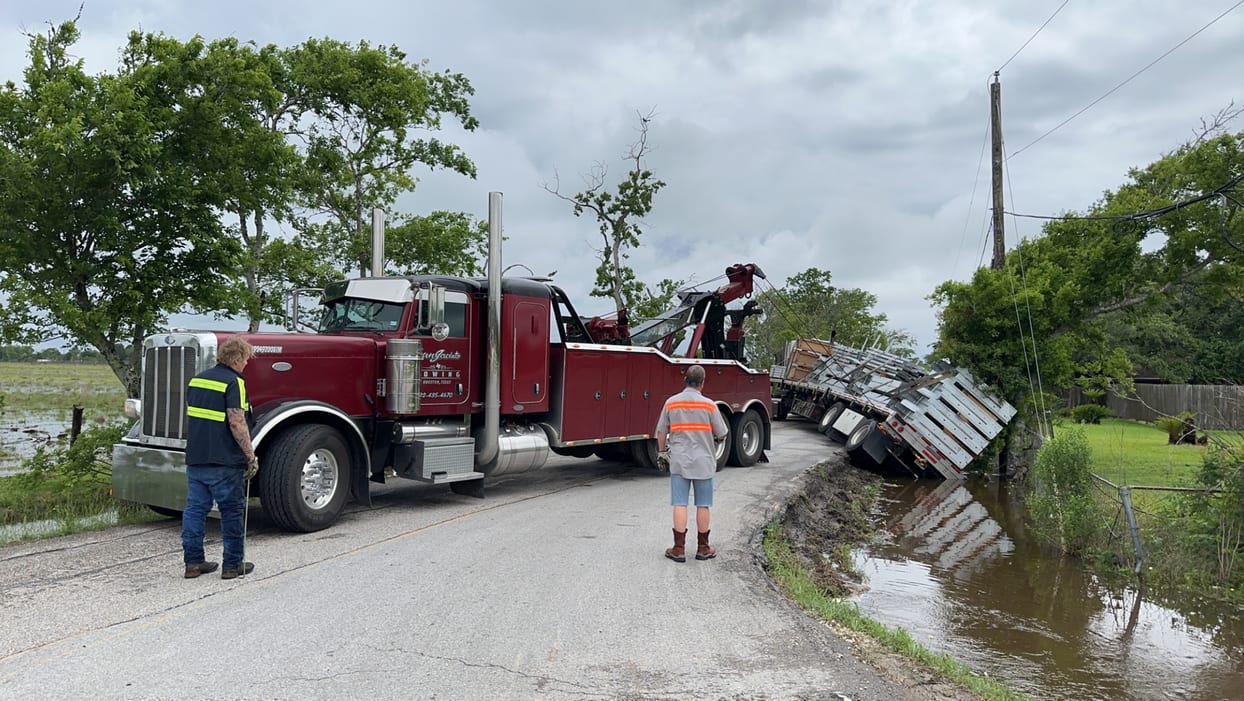
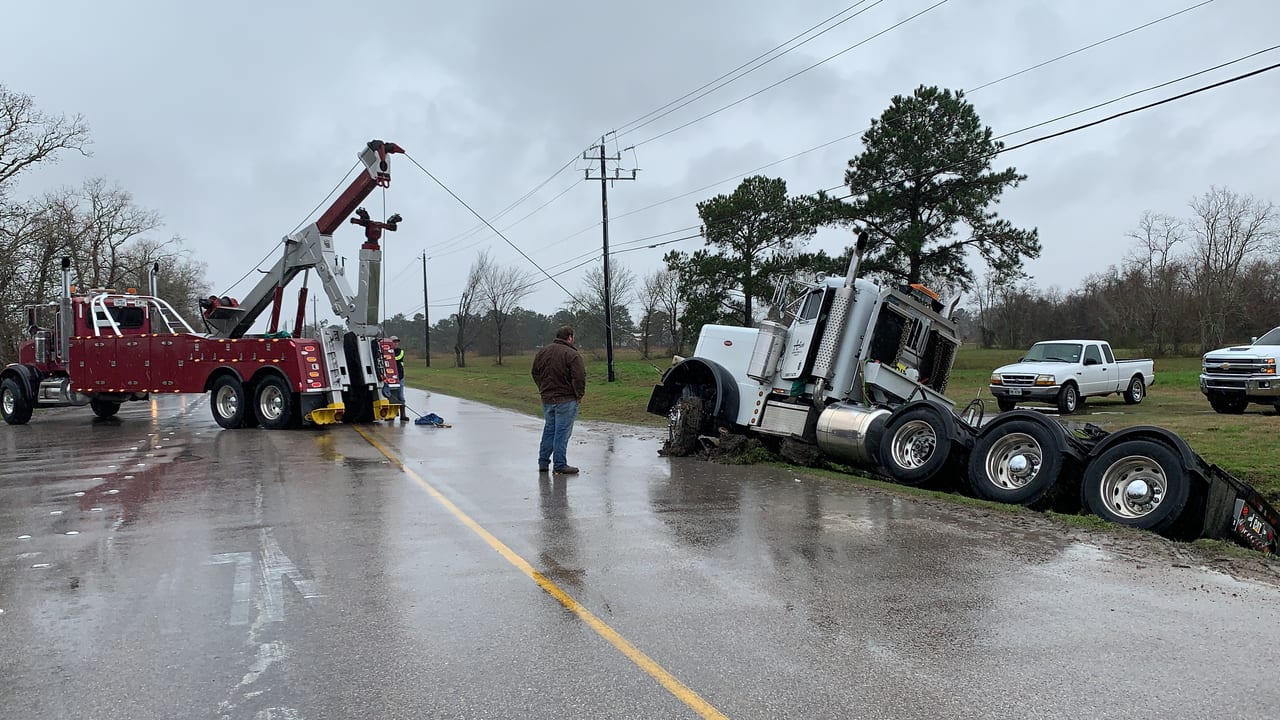
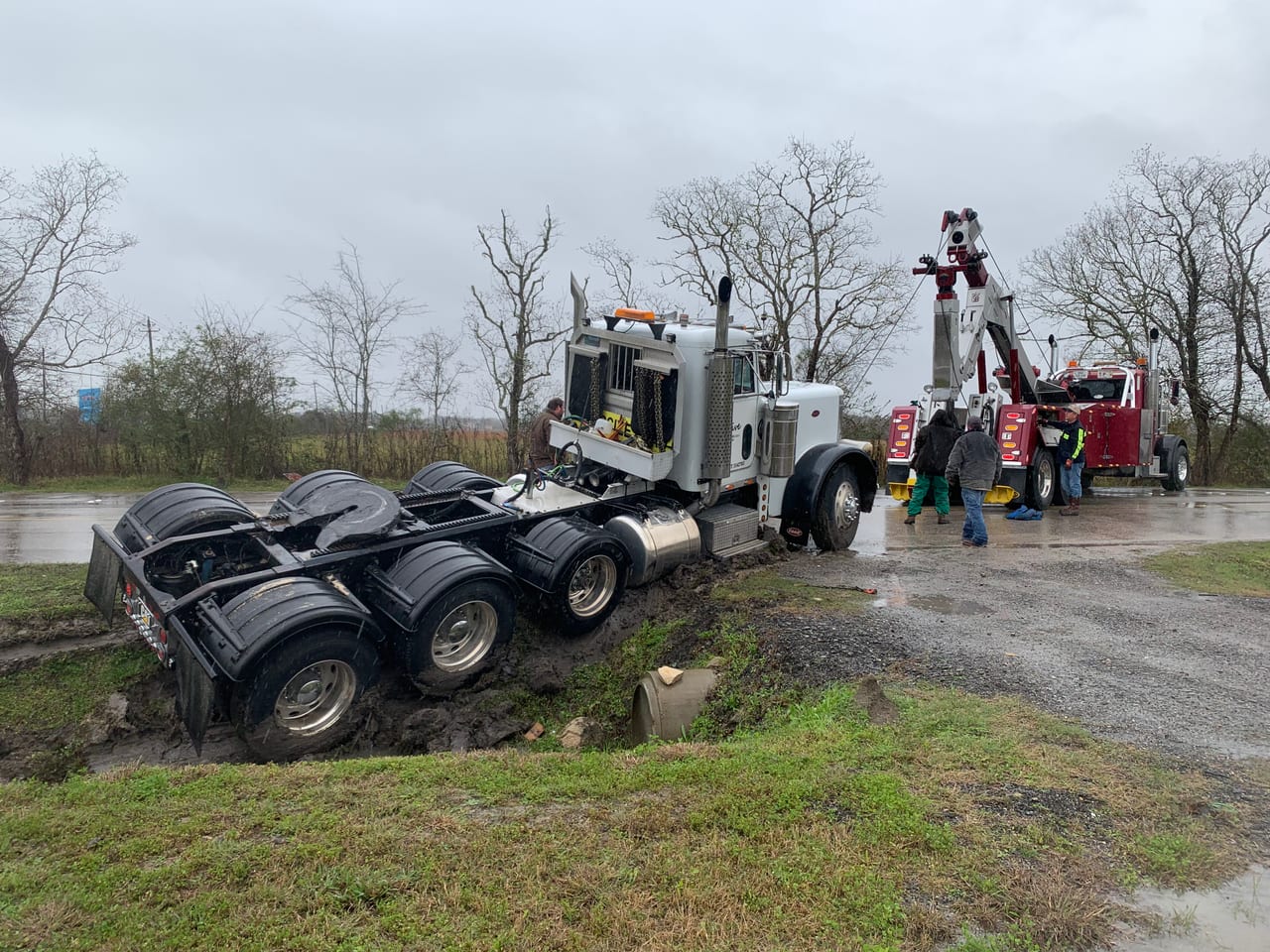
Commercial vehicle recovery. Heavy-duty tows for tractors, trailers, and box trucks often bill direct to the cargo or commercial auto carrier.
Motor club dispatches. AAA, Geico Roadside, Allstate Motor Club, etc. dispatch through their networks and pay the operator directly. You sign a service ticket but pay nothing at the truck.
Ask when you call. If direct-bill is an option, our dispatch can verify with the carrier in real time and confirm before the truck rolls.
Common rejection reasons (and how to avoid them)
Missing TDLR license number on receipt. This is the #1 rejection reason. Texas-licensed operators all carry it; if your receipt doesn't show it, ask for a re-issue.
No itemization. A receipt that just shows "TOWING — $185" gets rejected. It needs the breakdown — base fee, mileage, hookup, storage.
Missed deadline. No appeal options if you're past your carrier's window. Always file fast.
Tow not covered by your policy. Roadside breakdowns aren't covered by collision-only policies. Confirm before you call so you're not surprised by the rejection.
Cap exceeded. A $400 long-distance tow filed against a $150-cap rider gets reimbursed at $150. The rest is yours.
Storage fees not covered. Most Roadside riders cover the tow itself, not storage at a yard. If your vehicle sat in storage for days, those fees come out of pocket unless the tow was part of a comprehensive claim.
Receipt fraud signs. Carriers flag receipts without TDLR licenses, with handwritten amounts, with missing tow company contact info, or from operators with prior fraud reports. Stick with licensed operators.
Storage, impound, and insurance
If your vehicle was towed to a storage facility (not a repair shop), additional rules apply:
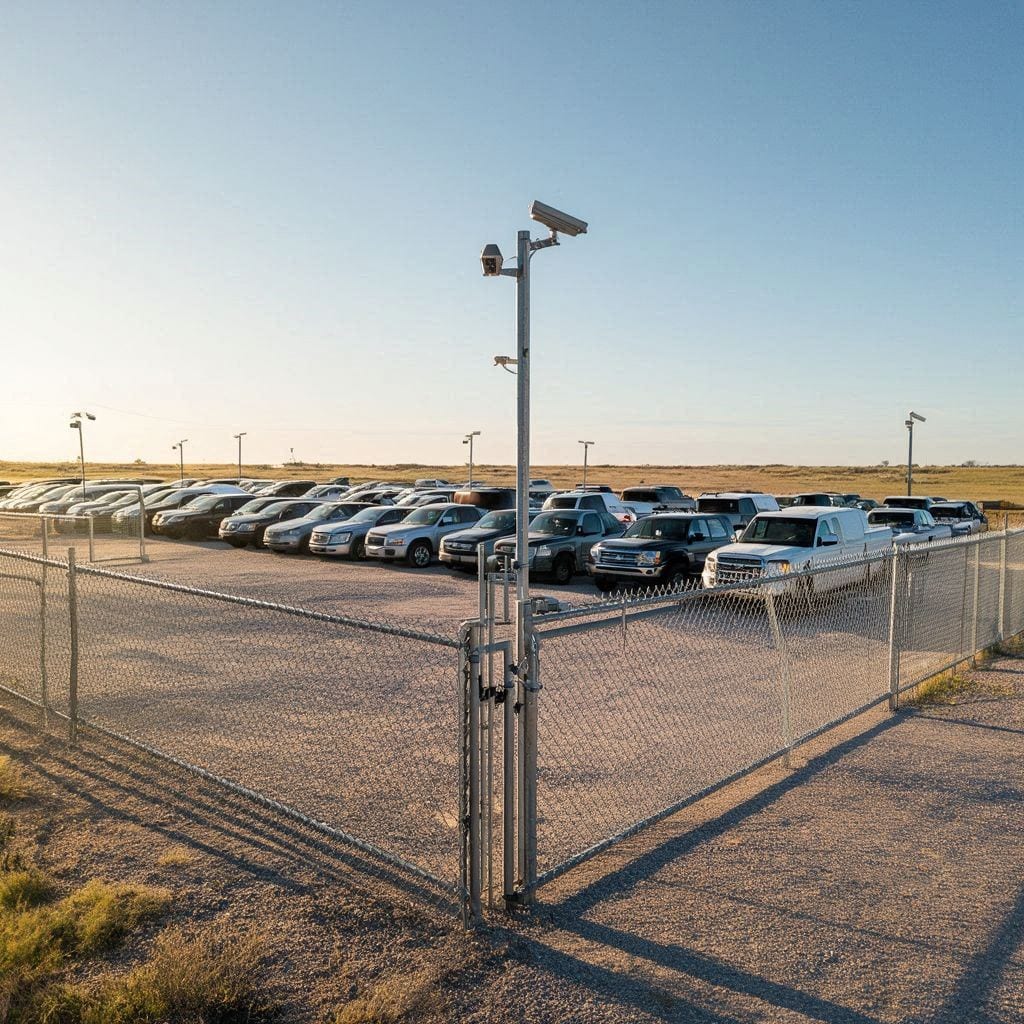
Storage fees at a licensed Texas Vehicle Storage Facility (VSF) are regulated — up to $22.85/day for a standard vehicle (about $39.99/day for units over 25 feet), and Texas rules let a facility bill for any part of a day (a stay under 12 hours can only be charged as one day). Insurance reimbursement of storage fees varies by carrier and rider.
Impounds by law enforcement (illegal parking, accident scene, criminal investigation) are typically NOT reimbursable through standard auto insurance. Check our how to find an impounded vehicle guide for the recovery process.
Total-loss tows (vehicle declared a total loss after an accident) are usually rolled into the comprehensive or collision settlement. Storage during the adjuster's inspection is also covered, up to a per-day limit.
Subrogation — when your insurance pays first, then recovers from the at-fault driver
If you're hit by an at-fault driver, two paths exist:
Path A: wait for their insurance to confirm liability and reimburse you directly. Faster if liability is clear; slower if disputed (can take 30–90 days).
Path B: file with your own insurance under collision coverage, pay your deductible, then your carrier subrogates against the at-fault carrier. You get reimbursed for everything but your deductible up front; the deductible comes back later if subrogation succeeds.
Path B is usually the right call when liability is contested or the at-fault driver has minimal coverage. Talk to your adjuster.
What we do at Smith Towing to make claims easier
Every receipt we issue includes:
- Full company info (TDLR license, address, phone)
- Itemized line-by-line charges
- VIN, year, make, model
- Pickup and drop-off addresses
- Driver/operator name
- Date, time, total
We keep records for years. If you need a re-issue, lost the original, or need a copy emailed to your adjuster, call (832) 360-7122 with the date and we'll send it.
For fleet accounts and commercial customers, we set up direct-bill agreements ahead of time so there's zero out-of-pocket at the moment of the tow. Contact dispatch to set up an account.
Questions about a specific claim, a past tow receipt, or whether your situation qualifies for direct-bill? Call (832) 360-7122 anytime.
See also: stranded on a Houston interstate — what to do, how to find an impounded vehicle, light-duty towing, vehicle storage.
FREQUENTLY ASKED QUESTIONS
RELATED GUIDES
NEED HELP RIGHT NOW?
Our dispatcher picks up personally. No voicemail, no queue.