Diesel ·
CP4 Pump Failure on the 6.7 Power Stroke and Duramax: Signs, the Filter Test, and Cost
If you own a 6.7 Power Stroke or a Duramax, you have probably heard the horror stories: a truck that loses power on the highway, will not restart, and hands the owner a $12,000 bill for a fuel system nobody saw coming. That failure has a name — the CP4 pump — and the stories are real.
But panic is expensive too. The same symptoms can come from a $200 fix, and the difference is whether anyone actually confirmed it before condemning the whole fuel system. Here is what the CP4 is, how to read the warning signs, the five-minute filter test, and how to keep from paying for a repair you did not need.
On This Page
Quick answer
The CP4.2 high-pressure fuel pump (2011+ 6.7 Power Stroke, 2011–2016 LML and 2017+ L5P Duramax, some Ram Cummins) can fail by grinding itself apart internally and sending metal shavings through the entire fuel system — rails, injectors, lines, and tank. The early warning signs are hard or long cranking, a sudden power loss while driving, or a no-start; the fast confirmation is to cut open the fuel filter and look for fine silver particles.
If the pump grenaded, that contamination is why the repair runs $8,000–$15,000+ — you are replacing far more than the pump. But do not assume the worst: a hard start or no-start can also be glow plugs, a lift pump, or bad fuel. Confirm metal in the fuel before anyone replaces a $15k system — and if you suspect it, stop cranking, because every crank spreads the damage.
What the CP4 pump is, and why it self-destructs
The CP4.2 is the high-pressure pump that feeds your common-rail injectors, spinning fuel up to the enormous pressures a modern diesel needs. On a diesel, the fuel itself is the pump's only lubricant — there is no separate oil supply.
That is the design's weak point. The pump's internals ride against a cam, and on these engines that contact can go wrong — the follower wears against the cam and starts shedding metal. Low-lubricity fuel, or running the tank low, makes it worse. Once the pump starts making metal, it pumps that metal downstream into everything it feeds, so a failed CP4 is rarely just a failed pump. It is a contaminated fuel system.
Warning signs of a failing CP4
| Sign | What you notice | Why it points to the CP4 |
|---|---|---|
| Hard / long cranking | Several seconds or many cranks before it catches | A failing pump cannot build rail pressure |
| Sudden power loss while driving | Truck bogs, limps, or dies on the highway | Pump lost pressure mid-drive — the classic catastrophic failure |
| No-start | Cranks but will not fire at all | Rail pressure gone, often after metal has spread |
| Metal in the fuel filter | Fine silver or glittery flecks when you cut it open | Debris from the pump grinding itself apart |
| Rough running / stalling | Misfire-like stumbling, stalling | Contaminated injectors or dropping pressure |
The fuel-filter test — a five-minute early read
You do not need a shop to get the first, most important clue. Pull the fuel filter and cut it open — or inspect the filter housing and bowl — and look closely at the media and any fuel in the bottom.
Clean diesel leaves the filter media a tan or brown color. What you are hunting for is fine silver, gray, or glittery metallic particles — sometimes like glitter, sometimes like fine sand. That metal does not belong there, and on a CP4 engine it almost always means the pump is coming apart.
⚠️ Found metal? Stop cranking. If you see silver flecks in the filter, or you have any reason to think the CP4 has failed, do not keep cranking or driving to "get it home." Every crank pushes more metal into the injectors, rails, and lines — turning a bad pump into a whole-system replacement. Leave the truck off and have it towed.
What it costs — and why it is not just the pump
Here is the part that makes people gasp. If a CP4 simply wears out and is caught early, the pump is the repair. But when it grenades — the common way these fail — the metal contaminates everything the pump feeds, and the honest fix is a full fuel-system replacement: the pump, all the injectors, the rails, the lines, and the tank.
That is why the bills you read about run $8,000 to $15,000 and up. The number is not the pump; it is cleaning the metal out of everything downstream so it does not immediately kill the new pump too. Anyone who "just replaces the pump" on a truck full of metal is setting you up to do it all again.
Before you panic: it is not always the CP4
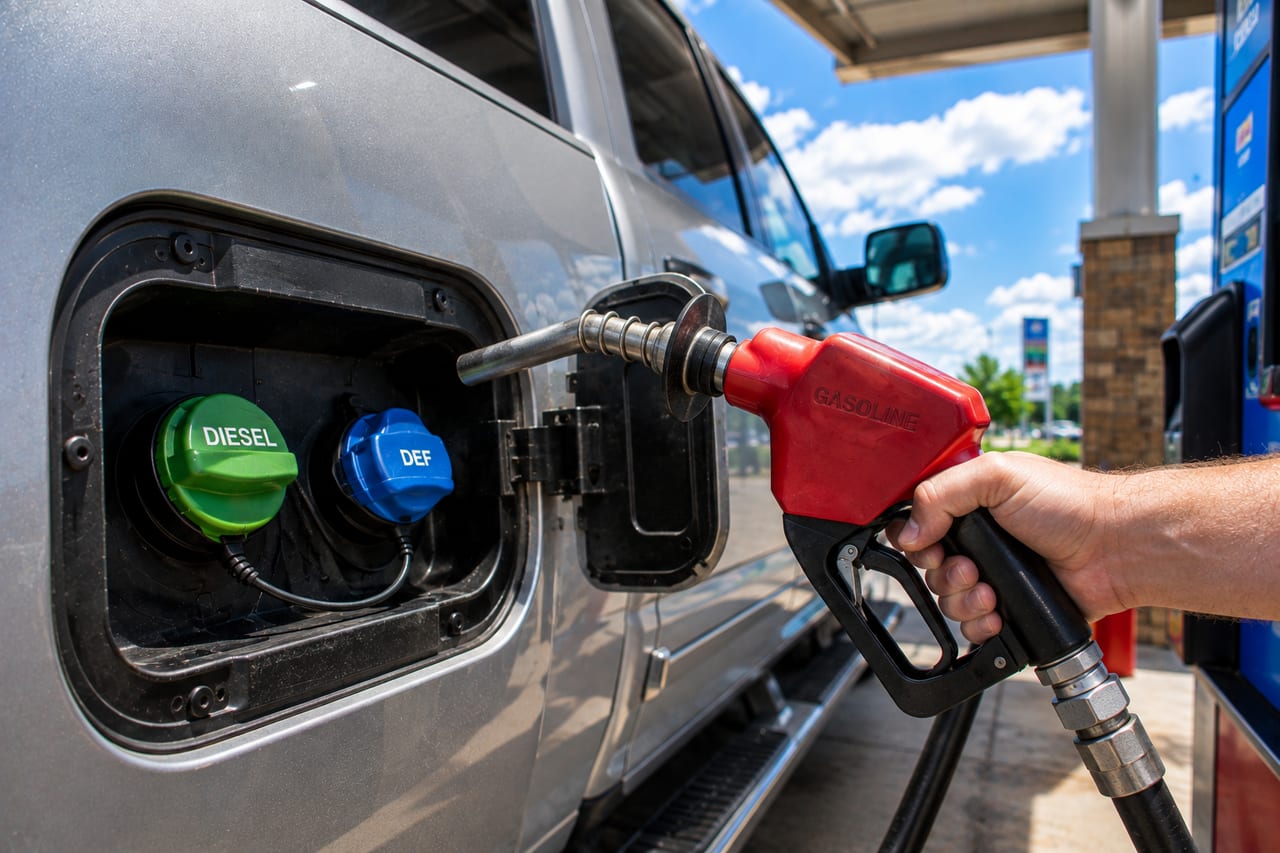
A hard start or a no-start is not automatically a dead CP4 — and a fuel system is a brutal thing to replace on a guess. Weak glow plugs on a cold morning, a failing lift pump, air getting into the fuel, a bad tank of fuel, or even tired batteries can produce the same hard-start or no-start symptoms, and every one of those is a far cheaper fix.
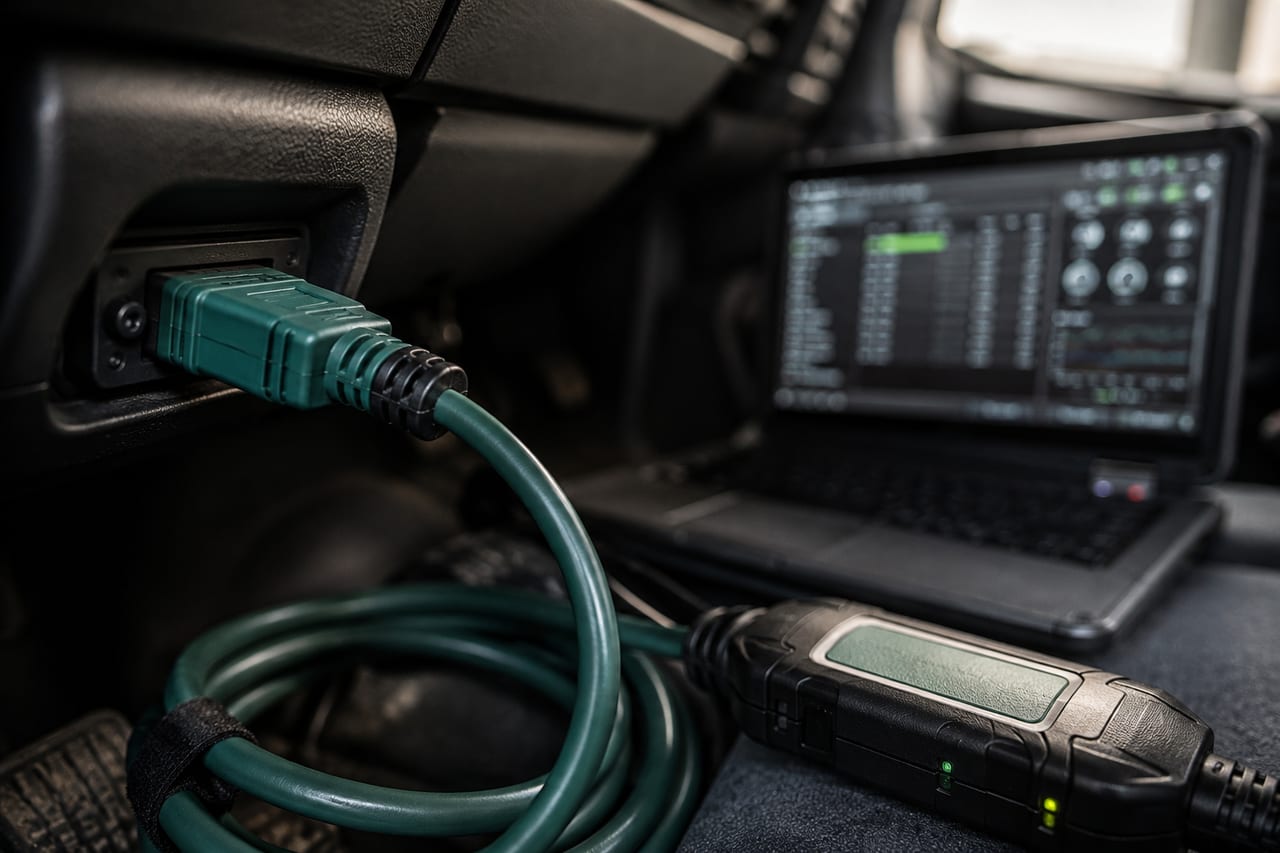
The only way to know is to confirm metal in the fuel and check the actual rail pressure before anyone condemns the pump. That is the whole point of a real diagnosis: we test first, and we do not sell you a $15,000 fuel system on a hunch. See our diesel repair shop for how we work.
How the repair goes
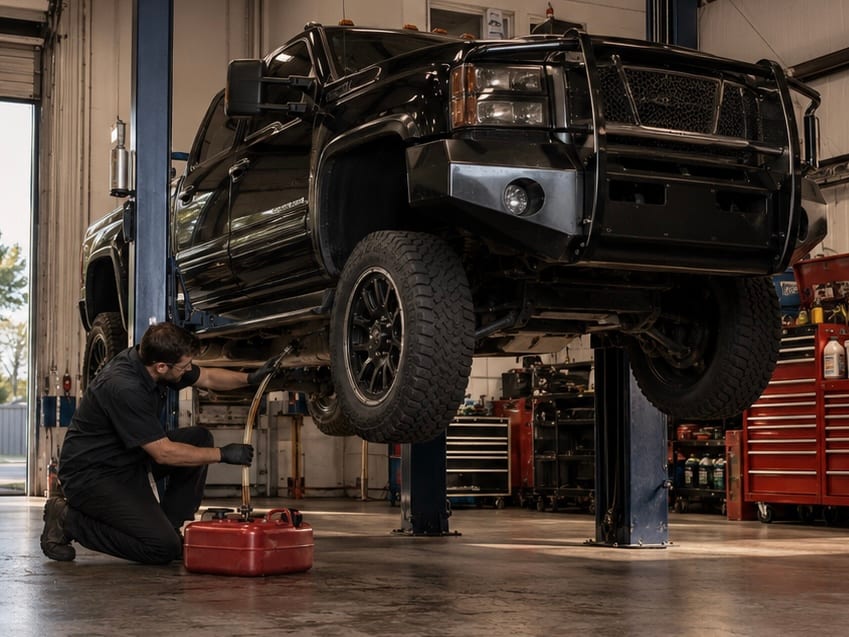
If the truck will not start where it sits, we tow it to our Crosby shop so you are not cranking more metal through it on the way in — the same yard runs the recovery gear, so it is one move, not two vendors. At the shop we confirm the failure, then drain and flush the system and replace the contaminated components so the new pump runs in clean fuel, not leftover grit.
Plenty of diesel work trucks, hotshot rigs, and oilfield duallies run hard out here around Crosby and the Ship Channel, and this is one we see. If a bad tank of fuel is what set it off, that is a related problem worth reading — see wrong fuel in a diesel.
Silver flecks in your fuel filter, or a diesel that won't start? Before you commit to a $15,000 fuel-system job, let us confirm what is actually failing. Call (832) 360-7122 — on-site diagnosis at our Crosby diesel shop, and a straight answer before any parts go on. See our diesel repair page for the full shop.
FREQUENTLY ASKED QUESTIONS
RELATED GUIDES


NEED HELP RIGHT NOW?
Our dispatcher picks up personally. No voicemail, no queue.